Google has begun rolling out Chrome 151 to the Stable channel for desktop users on Windows, Mac, and Linux. The build is 151.0.7922.71 for Windows and Linux, and 151.0.7922.72 for Mac.
The release is rolling out in phases over the coming days and weeks. Here’s what shipped and how to update manually on your computer.
In this guide, I have covered:
Contents
Chrome 151 Stable Rolls Out to Desktop
Google is pushing Chrome 151 to the Stable channel on desktop. The new build is 151.0.7922.71 for Windows and Linux, and 151.0.7922.72 for Mac, according to the official announcement. Rollout is phased over several days, so you may not see the update immediately.
What’s in the Chrome 151 Desktop Build
The announcement does not call out a headline feature for this push. Google points readers to the full Chromium log for the complete change list. Routine Stable releases typically include under-the-hood fixes, performance tweaks, and security patches across the browser, but the exact items in this build are not listed in the post itself.
Platforms and Rollout Schedule
Chrome 151 Stable covers all three desktop platforms: Windows (151.0.7922.71), Mac (151.0.7922.72), and Linux (151.0.7922.71). Google says the rollout will happen over the coming days and weeks, which is standard behavior for Chrome’s Stable channel and helps catch any last-minute regressions before a wider push.

Chrome’s Stable channel is rolled out in waves. Even after you trigger the update, your profile may not receive the new build for a few hours, depending on where you sit in the rollout.
How to Update Chrome on Your Computer
If the phased rollout hasn’t reached your machine yet, you can trigger the update from Chrome’s About page. Open chrome://settings/help or use the steps below.
- Launch the Google Chrome on your computer.
- Click on More
 for the options list, and select the Settings menu.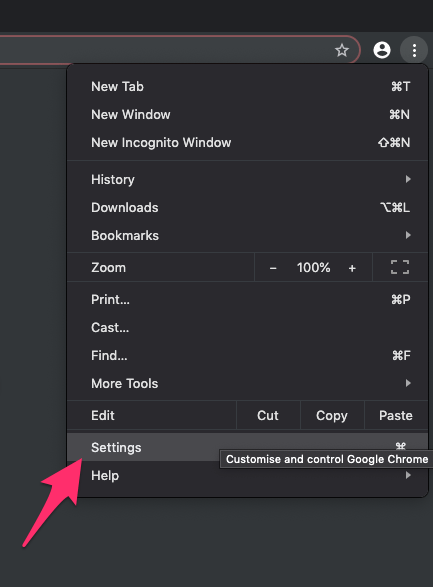
- Switch to the About Chrome tab in the left sidebar pane.
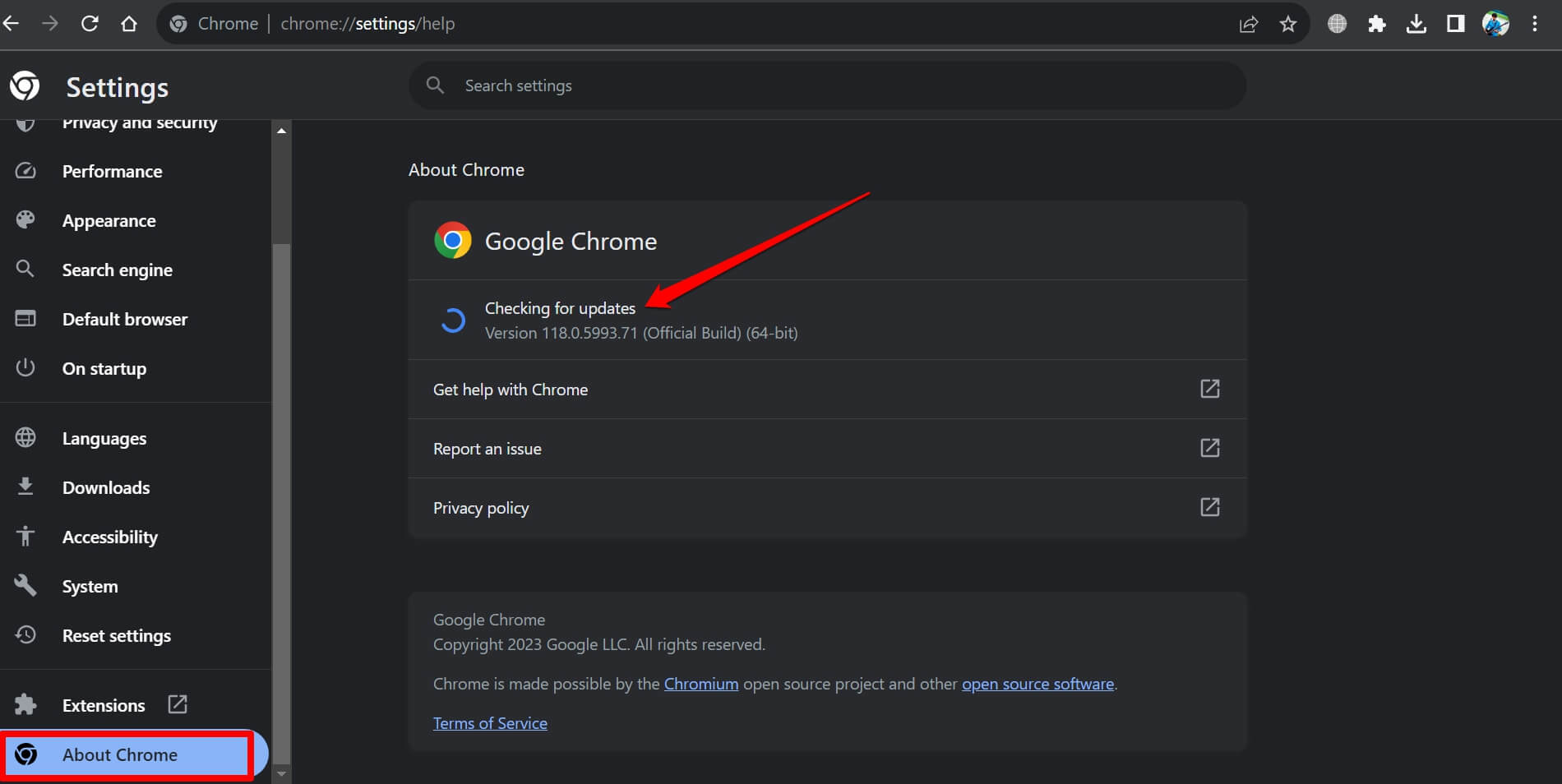 The browser should automatically start looking for the latest updates.
 - Hit on the button.
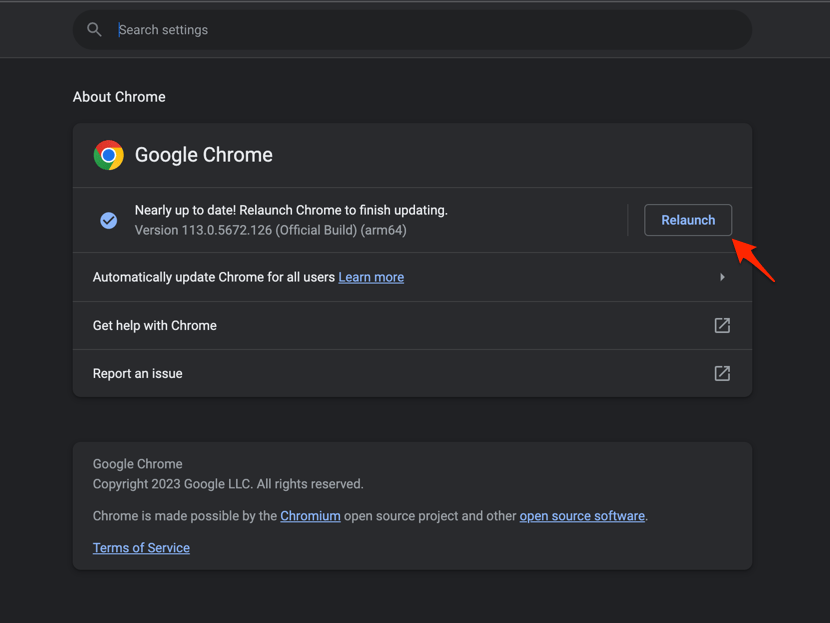 It will complete the Chrome browser update process.
Relaunch Chrome after the update installs and verify the version on the About Chrome page. If it still shows an older build, wait a few hours and check again: the rollout is gradual.