You want a Safari window that leaves no trail in your normal history, or you just need one more tab open without losing the page you are reading. Both sit in the File menu.
Use New Private Window (Shift + Command + N) for a separate session, then check the new window is labelled Private Browsing before typing anything sensitive. Below: tabs, links in new tabs, and what Safari actually keeps.
In this guide, I have covered:
Contents
Open a New Window in Safari on Mac
You want a fresh window without losing what is already on screen. Safari gives you two kinds, and picking the right one first saves you from redoing the work later.
A normal window uses your usual profile. A private window starts a separate session that Safari does not add to your normal history.
- Bring Apple Safari to the front.
- Click File in the macOS menu bar.
- Click New Window.
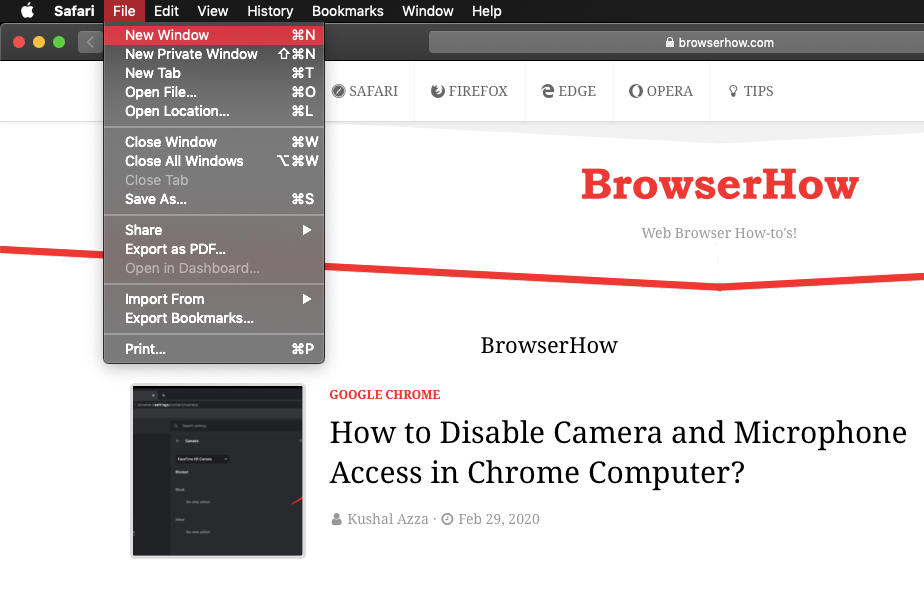
Safari opens a separate window in normal browsing mode.
Press + for the same result. Normal windows share Safari’s profile and site data, so reach for a private window when separation from normal browsing data is the whole point.
Add a New Tab to the Current Safari Window
Sometimes you don’t need a whole new window. You just want to keep this page open while you check something else, which is exactly what a tab does.
Where you open it matters. A tab added to a normal window stays in the normal session, and a tab added to a private window stays private.
- Bring Apple Safari to the front.
- Click File in the macOS menu bar.
- Click New Tab.
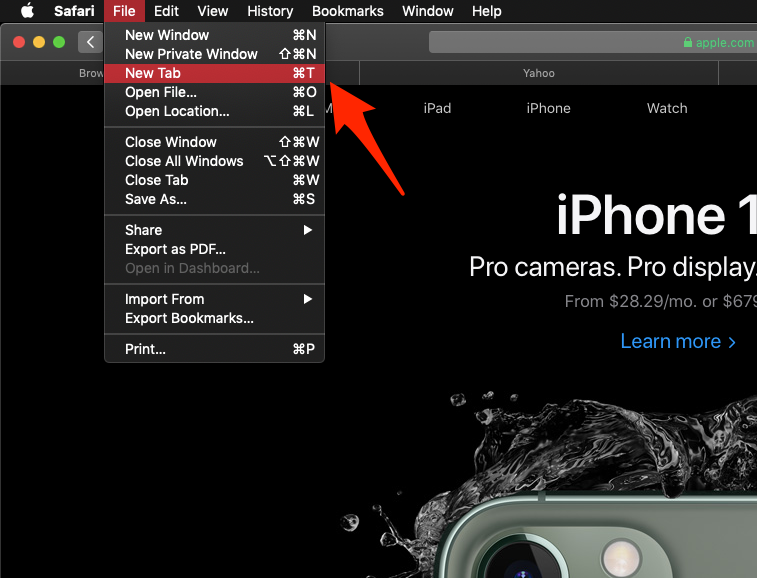
The new tab appears beside the existing tabs in the same window.
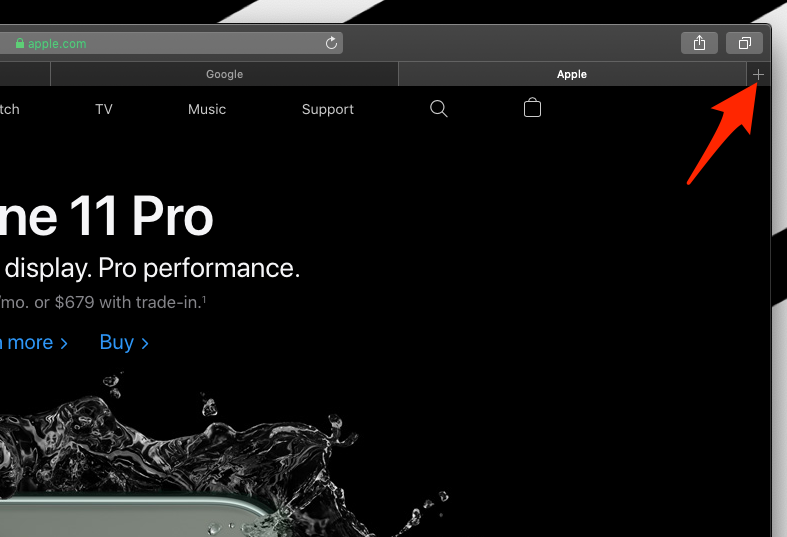
Press + for the quickest route, or click the plus  button at the right end of the tab bar.
Open Private Browsing Mode in Safari on Mac
This is the part most people come looking for. Choose a private window when you want a session that is not added to your normal browsing history.
It is not the same as clearing data Safari has already saved in regular windows. Private browsing starts clean. It does not clean up after you.
- Bring Apple Safari to the front.
- Click File in the macOS menu bar.
- Click New Private Window.
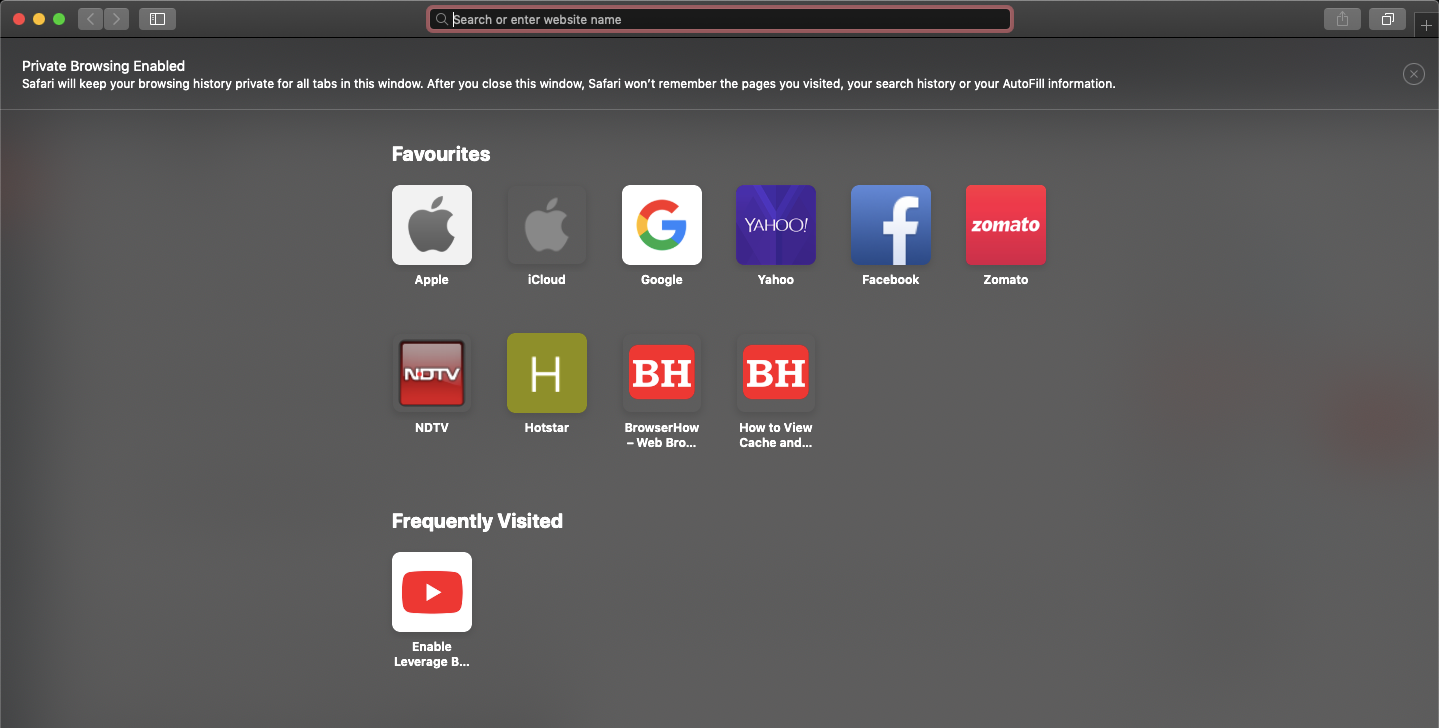
Safari opens a separate window identified as Private Browsing.
Press + + to skip the menu. Safari starts Private Browsing in a separate window, so tabs you add with + stay in the same private session.
You’ll know it worked when the new window is identified as Private Browsing before you load anything.

Safari 26 for macOS can lock private browsing windows and require authentication before one is unlocked.
Open a Link in a New Safari Tab
You are mid-article and a link looks worth following, but you don’t want to lose your place. Open it in a new tab and the current page never moves.
- Press and hold a link until its context menu appears, or Control-click it with a two-button mouse.
- Choose Open in New Tab.
The linked page opens in a new tab. In recent versions of Safari, the tab overview menu can also offer Open in New Tab for a selected page.
Know What Safari Keeps in Private Browsing
Private browsing limits what Safari saves after you close the window. It does not make you anonymous online, and that gap matters more than most people expect.
Apple’s guide to browsing privately in Safari separates temporary session data from records that are kept. Here is the short version.
- Pages you visit are not added to your normal browsing history.
- Changes to cookies and website data are not kept after you close the private window.
- AutoFill details, including sign-in info, are not saved in the private session.
- Entries typed into form fills are not retained by that session.
- Files you download stay in your Downloads folder, and bookmarks you add remain in Safari.
- Your employer, your network, and the sites you visit can still observe the session.
Private Browsing does not remove history, cookies, or downloads already saved in normal windows. If you want those gone, use Clear Site and Browsing Data from Safari browser on Mac.
Safari 26 also extends advanced fingerprinting protection to all browsing. Private Browsing no longer has exclusive access to that protection, but it still gives you a separate browsing session.
Use Safari Keyboard Shortcuts on Mac
Three shortcuts cover almost everything on this page. + opens a new tab, + opens a normal window, and + + opens a private window.

TIP: Shortcuts follow the active window, not the app. Press + while a private window is in front and that tab stays private.
Fix Missing New Tabs or Private Windows
Nothing happens when you try the menu? Start with where the menu lives. If the File menu is not visible, move the pointer to the top edge of the screen to reveal the macOS menu bar.
If Safari is in full-screen mode, exit full screen before trying the menu again.
If a tab opens in the wrong mode, check which Safari window is active first. A tab opened in a private window stays private until that window is closed.
A private window does not repair an HTTPS certificate warning. If Safari reports This Connection is Not Private, use Fix: This Connection is Not Private in Safari on Mac to diagnose the connection rather than changing private browsing settings.
Use Safari Private Browsing on iPhone or iPad
Everything above is Mac-specific. The File menu steps do not carry over to iPhone or iPad, so use private and new tab in Safari on iPhone and iPad for the current mobile procedure.
Private browsing on mobile leaves your normal Safari data untouched, exactly as it does on the Mac.

Frequently Asked Questions
How do I open Private Browsing in Safari on Mac?
Choose New Private Window from the File menu, or press + + . Check that the new window is identified as Private Browsing.
How do I open a new tab in Safari on Mac?
Press + , choose New Tab from the File menu, or click the plus button in the tab bar. The new tab appears in the active window.
Can I open a new tab in a Safari private window?
Yes. Press + while the private window is active. The added tab remains part of the private session until you close that window.
Does Safari Private Browsing delete existing history and cookies?
No. It prevents private-session pages and website-data changes from being saved, but it does not clear records already stored in normal windows.
Why can’t I find the New Private Window option?
Move the pointer to the top of the screen to reveal the macOS menu bar, then open the File menu. If Safari is in full-screen mode, exit full screen and try again.
One rule of thumb for everything above: pick the window first, then add tabs inside it. That way every tab you open lands in the session you actually intended.