Chrome on Android stores every saved sign-in in Google Password Manager. From there you can view a forgotten password, edit a changed one, delete a leaked credential, share entries, or export a CSV backup.
You'll also learn where the old Passwords tab went, how Password Checkup flags weak or reused passwords, and how the standalone Google Password Manager app works on the Play Store.
Watch the Video Tutorial
In this guide, I have covered:
Contents
Open Google Password Manager in Chrome on Android
Every saved sign-in in Chrome on Android now lives in Google Password Manager, the same vault Google uses across Chrome on desktop and the standalone Google Password Manager app. Chrome no longer calls it a standalone “Passwords” tab in Settings; the new label is Google Password Manager, and it’s the single entry point for viewing, editing, deleting, exporting, and sharing your saved credentials.
To reach it from inside Chrome, tap More  in the top-right corner, then Settings, then Google Password Manager. The same screen also opens from the key icon on the address bar when you’re signed in to a site, or through the standalone app covered at the end of this guide.
Save a Password When You Sign In
Chrome asks the first time you sign in to a site on your phone. Tap Save on the prompt and the username, password, and site URL go straight into Google Password Manager.

If you tapped Never by mistake, the prompt won’t come back on its own. Turn it back on from Settings using the steps below.
- In Chrome, tap More and choose Settings.
- Tap Google Password Manager.
- Scroll to Settings inside the manager and toggle on Offer to save passwords.
To save a password for a site you’ve already signed in to, sign out of the site, then sign in again so Chrome shows the prompt.

TIP: Signing in on a shared phone? Open an incognito tab first so Chrome won’t offer to save that password. Learn how to open incognito tabs in Chrome on Android.
View a Saved Password
If you can’t remember the password for a site, Google Password Manager lets you reveal it. You’ll need to unlock your phone first.
- Launch Google Chrome for Android.
- Tap More and select Settings.
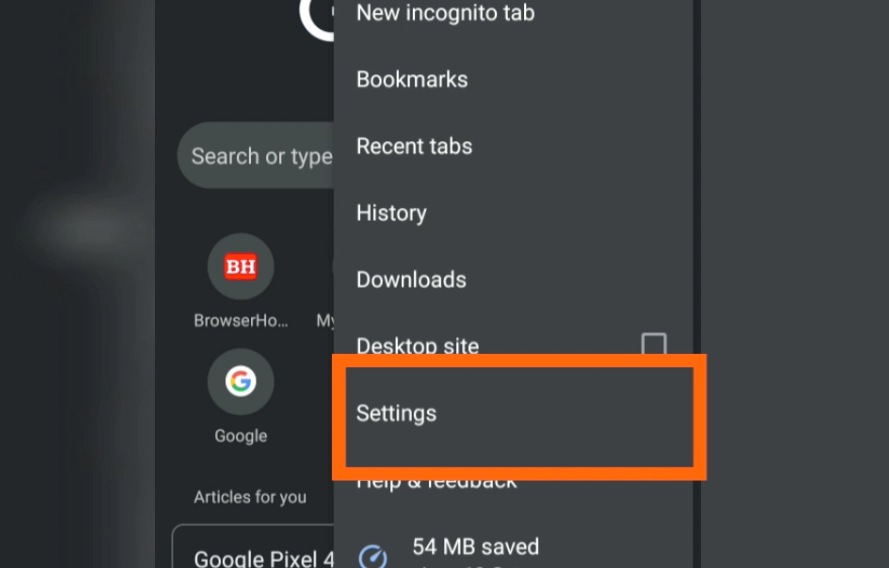
- Tap Google Password Manager.
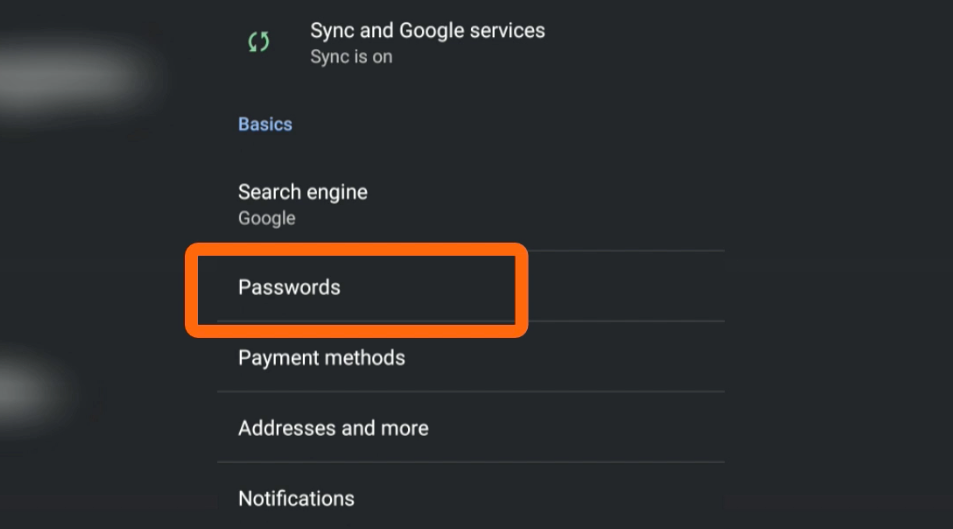
- Tap the Website from the list.
- Tap the unhide icon to view the saved password.
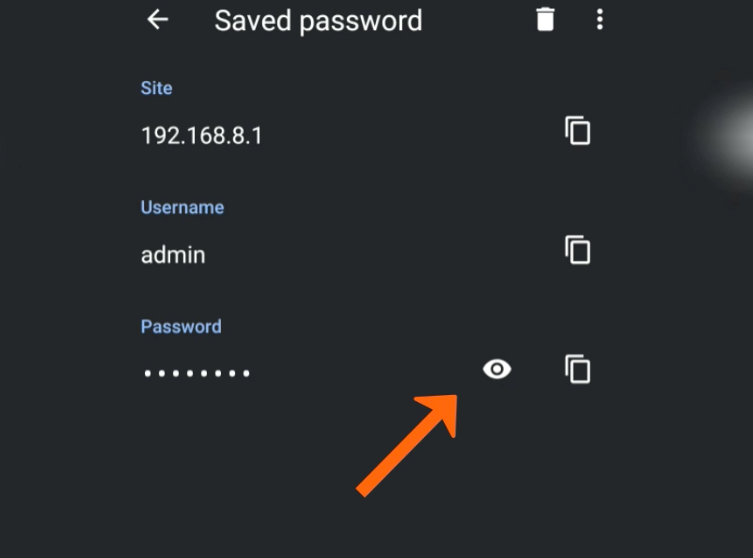
- Verify your device pattern, PIN, or fingerprint when Chrome asks.
The password stays visible until you leave the manager. Tap Copy to paste it into another app, or tap the eye icon again to hide it.
Edit a Saved Password
If you changed the password on the site (or saved a typo), update it inside the manager so Chrome autofills the right value next time.
- Open Google Chrome on your Android phone.
- Tap More and select Settings.
- Tap Google Password Manager.
- Tap the Website you want to update.
- Tap Edit, then Edit password.
- Type the new password and tap Save.
For sites you’ve never signed in to through Chrome, use Add password on the manager’s main screen. You can also tap Edit on any saved entry to add a private note; the note is protected the same way as the password itself.
Delete a Saved Password
Remove a saved password when the account is closed or the credential was leaked. The deletion also clears the entry from other signed-in Chrome devices once sync finishes.
- Launch Google Chrome on your Android phone.
- Tap More and select Settings.
- Tap Google Password Manager.
- Choose the Website from the list.
- Tap Edit, then Delete, or tap the Trash icon on the entry.
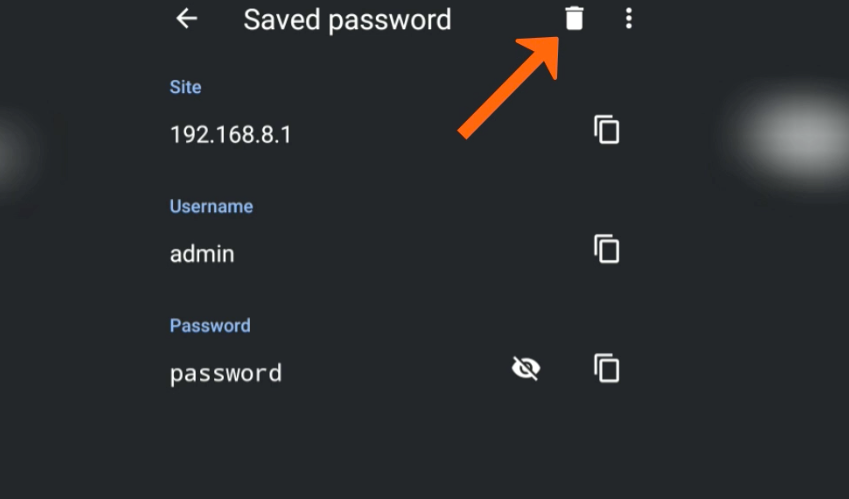
- Confirm with your device PIN, pattern, or fingerprint when prompted.
Chrome is rolling out an extra biometric check before a saved password can be deleted, to stop accidental wipes. If you don’t see a confirmation step today, you’ll get one in a future update.
Run Password Checkup
Password Checkup flags sign-ins that have appeared in known data breaches, are reused across sites, or are too weak. Treat the result as a to-do list, not a verdict.
- Open Google Chrome on your Android phone.
- Tap More and choose Settings.
- Tap Google Password Manager.
- Tap Checkup.
- Tap Change password on any flagged entry to jump to the site and reset it.
Use the Standalone Google Password Manager App
Google Password Manager is also a separate app on the Play Store. It shows the same vault as the in-Chrome screen, lets you add a home-screen shortcut, and works even when Chrome isn’t open. Your passwords stay in your Google Account whether or not the app is installed, so uninstalling it doesn’t lose data.
- Open the Google Play Store on your Android phone.
- Search for Google Password Manager.
- Tap Install.
- Open the app and sign in with the same Google account you use in Chrome.
Other features you may want to try from inside the manager: Settings then Export passwords for a CSV backup, Settings then Delete all Google Password Manager data to wipe the vault, and the All, Passwords, Passkeys, and Network devices filters at the top of the list.

The same saved passwords sync across every Chrome signed-in device using the same Google account, so any change you make on Android shows up everywhere within seconds. For the same workflow on a phone, see saved passwords in Chrome on iPhone and iPad.
Other sign-in data stored on this device lives next to the password vault:
- Add, Edit, and Manage Card Details in Chrome on Android
- Add, Edit, and Manage Addresses for Autofill in Chrome on Android
- Save, Edit, and Manage Bookmarks in Chrome on Android
If you prefer a third-party vault, Chrome on Android now lets you pick a non-Google autofill provider under Settings then Autofill. See our guides for setting up LastPass and setting up Dashlane as alternatives.
Frequently Asked Questions
Where did the “Passwords” tab in Chrome Settings go?
Google replaced the standalone Passwords entry with Google Password Manager, which holds the same vault plus new features like Password Checkup, passkey storage, and password sharing. The path on Android is now Settings then Google Password Manager. Google’s Chrome help article on saved passwords documents this entry point.
Why does Chrome ask for my PIN before showing a password?
Android gates password reveal and edit behind the screen lock so a thief who unlocks your phone but doesn’t know the lock still can’t read your credentials. If your phone has no screen lock set, Android will ask you to add one before Chrome reveals anything.
Can I save a password without signing in to the site first?
Yes. Open Google Password Manager and tap the + button (or Add password) on the main screen, then type the site URL, username, and password manually. The entry behaves the same as one captured by Chrome’s save prompt.
How do I export or back up my saved passwords?
Inside Google Password Manager, open Settings and tap Export passwords. Chrome produces a CSV file you can save to your phone or import into another password manager. Treat the CSV as sensitive and delete it after import.
What’s the difference between Google Password Manager and a passkey?
A password is a string you type or have Chrome fill. A passkey is a cryptographic key pair tied to your device and the site, with no shared secret to leak. Chrome stores both in the same Google Password Manager vault, and the filter bar at the top of the list lets you view Passwords and Passkeys separately.