

Google Chrome for Android is the mobile version of Google's browser, pre-installed on most Android phones. It syncs tabs, bookmarks, and passwords through your Google account and includes Discover, Reading Mode, Safe Browsing, and a redesigned three-dot menu.
The current stable build is Chrome 154, and the app requires Android 10 or higher. This overview walks through every button, menu, and setting on the new tab page so you can find your way around quickly.
In this guide, I have covered:
Contents
What is Google Chrome for Android?
Google Chrome for Android is the mobile version of Google’s web browser, pre-installed on most Android phones and tablets. It syncs bookmarks, history, passwords, and open tabs with your Google account, so the experience lines up with Google Chrome for Computer and Google Chrome for iPhone and iPad.
Beyond browsing, Chrome for Android includes tab management, a built-in Discover feed, a customizable toolbar, and privacy controls like Safe Browsing and reading mode. Most of what you do on the desktop version works here too, with touch-first tweaks for smaller screens.
The current stable build is Chrome 154, and Google supports Chrome for Android on devices running Android 10 and up.
Top Sites Shortcuts
Open Chrome and the first row of icons you see are Top Sites. These are shortcuts to the pages you visit most often, automatically refreshed based on your browsing history.
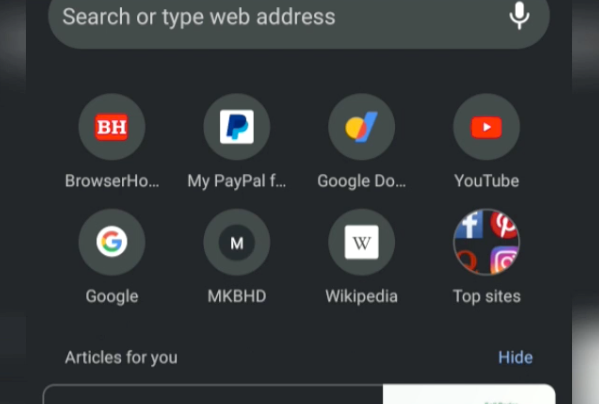
You can remove a shortcut by long-pressing the icon and choosing Remove. Top Sites speed up returning to a page you check daily, like a news site or your inbox.
Discover Feed
Right under Top Sites sits the Discover feed. Articles are picked based on your Google activity, search history, and location, so it usually shows news, sports, or topics you already read about.
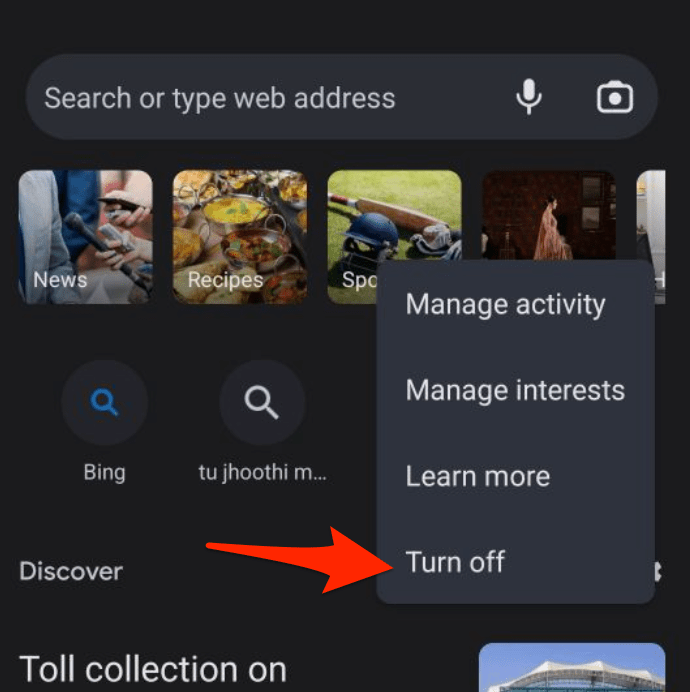
If a topic stops being interesting, tap the Turn off option on a card to hide similar suggestions. You can’t fully remove Discover from the new tab page, but you can shrink what it shows.
Search Bar
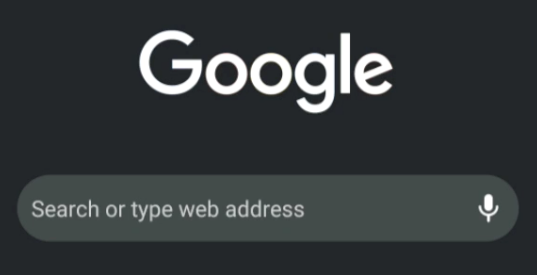
The address bar at the top doubles as a search box. Type a URL to jump straight to a site, or type a phrase to search Google. The bar also shows inline suggestions as you type, drawn from your history and Google Trends.
If a site keeps redirecting you to its mobile layout, you can request the full desktop site directly from Chrome’s menu.
Home Button
The Home button sits inside the address bar and jumps you back to the new tab page from any website.
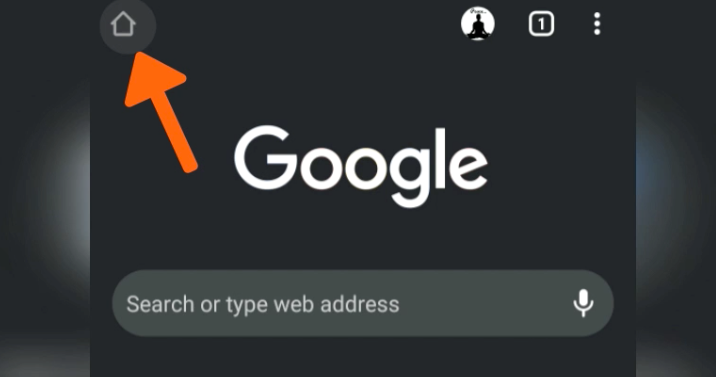
If you’d rather have the Home button open a specific site every time, you can set a custom homepage URL.
Profile and Personalization
Your profile icon opens the account switcher and personalization controls. From here you can sign in, sync data across devices, manage saved addresses and payment methods, and tweak what Chrome sends to Google.
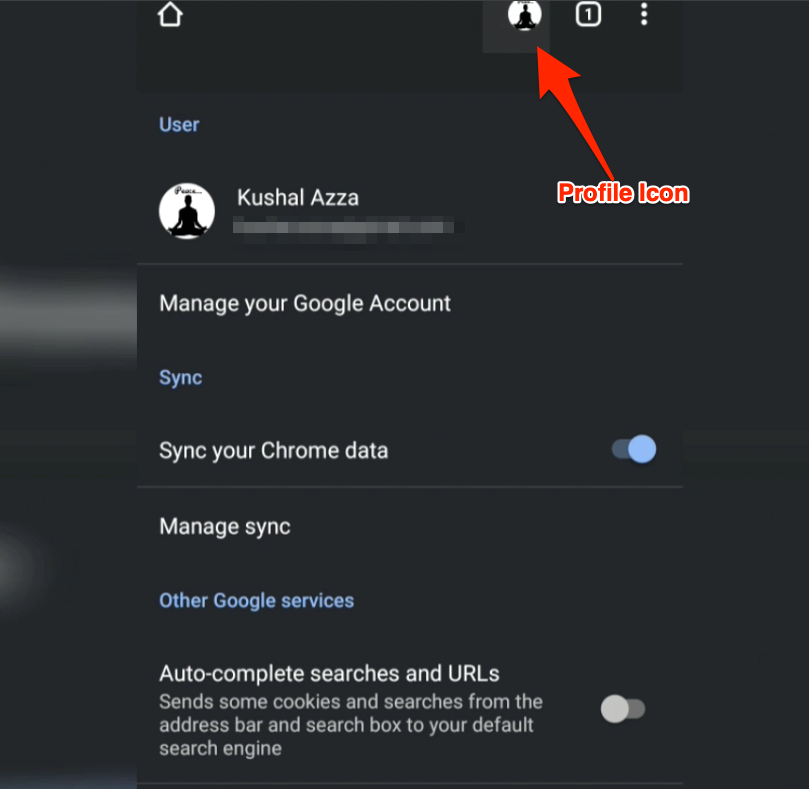
The profile screen is also where you control what gets saved to your Google account. You can turn off search history or URL storage if you want less personalized results.
Tab Switcher
The tab square shows your open tabs and lets you swipe through them. From the tab grid view you can open a new tab, start an Incognito session, or close everything at once.
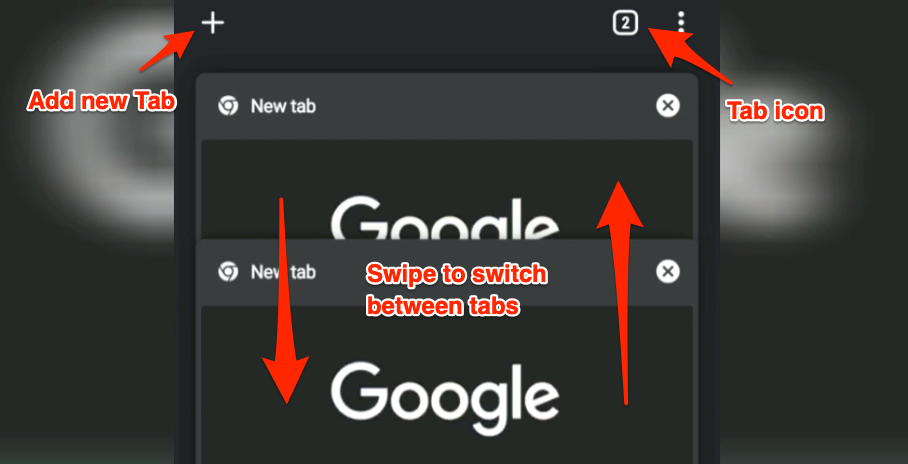
The grid also exposes the Close All Tabs option when you have several tabs open, which is handy before a fresh session.
Three-Dot Menu
The three-dot menu in the top right is where most actions live. As of Chrome 150+, this menu was redesigned. Back and forward arrows now sit side by side at the top of the menu (previously only forward was shown), and the old site info button has been replaced with a Site controls entry.
You can see and change those per-site options at any time from Chrome’s site settings page on Android.
The “Add to Home screen” entry has been renamed to “Install and create shortcut” in recent versions. The menu also now includes Reading Mode, Transmit (for sending tabs to other devices), Send to Your Devices, and a Create QR Code option.
Rollout of the new design is server-side, so not every device shows the new layout at the same time. If your menu still looks older, updating Chrome from the Play Store usually picks up the change.
Settings Menu
Inside the three-dot menu you’ll find Settings, which holds every Chrome for Android preference. A new Appearance entry was added recently and now combines the old Mode (light or dark theme) and Toolbar shortcut options in one place.
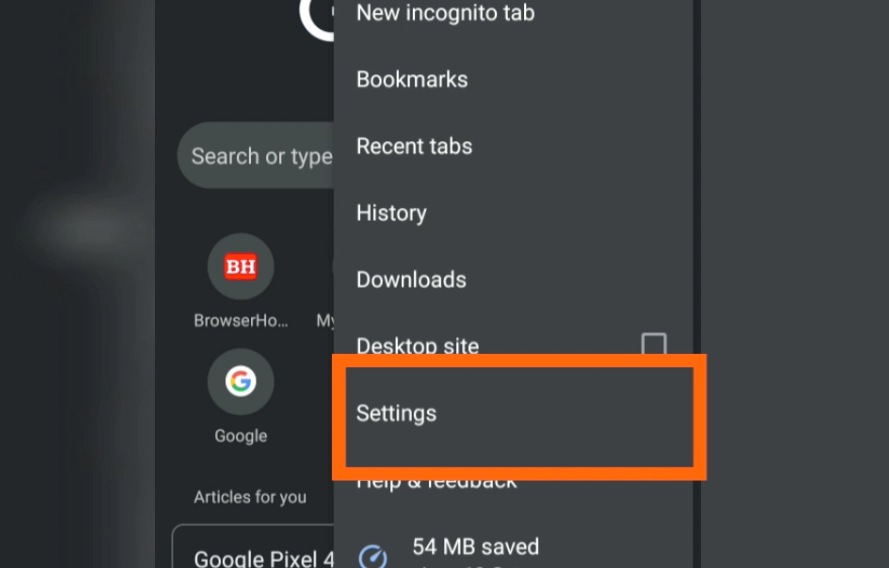
On large-screen Android devices like the Pixel Tablet or Pixel 10 Pro Fold, the Appearance section adds a Show bookmarks bar toggle that brings up a desktop-style bookmarks bar below the address bar.
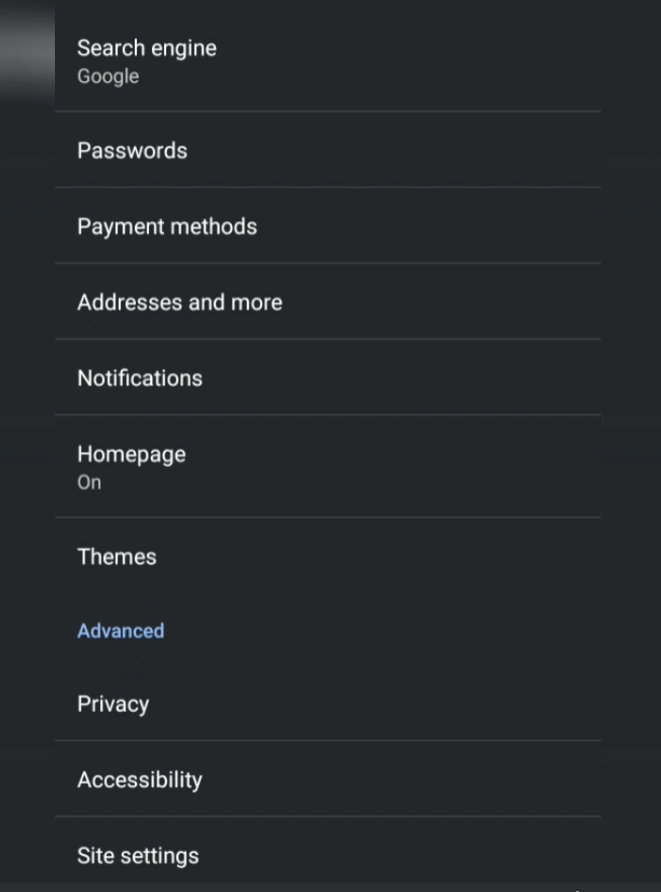
Other settings worth a first look are Privacy and Security for Safe Browsing and site permissions, Site settings for per-site controls, and Languages. Cookies, cache, and history all clear from the Privacy section, and you can block cookies per site from there too.
About Chrome and Updates
About Chrome is the last item in Settings. It shows your current version, build number, and OS, and tells you whether Chrome is up to date.
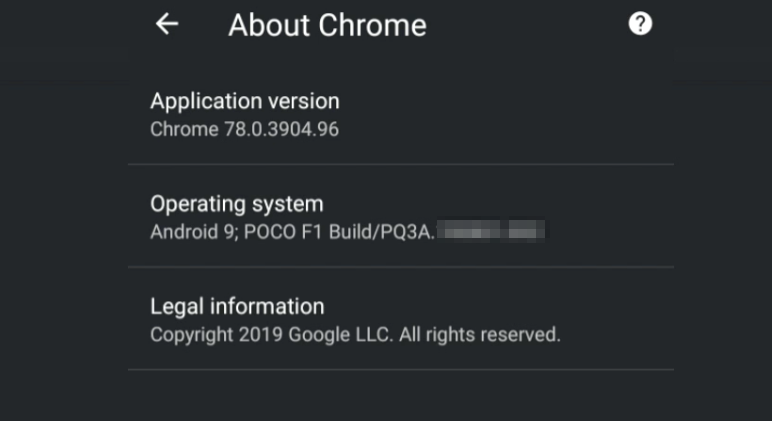
If a newer version is available, Chrome offers to fetch it from the Play Store right from this screen. The current stable version on Android is Chrome 154.
Video Walkthrough
The short video below walks through Chrome for Android’s layout so you can see where each button and menu lives on a real phone.

Frequently Asked Questions
What is Google Chrome for Android?
Google Chrome for Android is the mobile edition of Google’s Chrome browser, pre-installed on most Android devices. It includes tab syncing, Safe Browsing, Discover, and full desktop parity for signed-in users.
How do I install or reinstall Google Chrome on Android?
Most Android phones ship with it. If yours does not or you uninstalled it, grab Google Chrome for Android from the Google Play Store and sign in with your Google account.
What is new in the latest Chrome for Android update?
The latest stable release is Chrome 154. Recent updates added a redesigned three-dot menu with side-by-side back and forward arrows, a new Appearance settings section that combines Mode and Toolbar shortcut, and a renamed “Install and create shortcut” option that replaces the old “Add to Home screen.”
What is the minimum Android version for Google Chrome?
Google Chrome for Android requires Android 10 or higher. Support for Android 8 and Android 9 ended with Chrome 138-139, so older phones can no longer receive updates, according to Google’s official Chrome support page.
What is the difference between the Google app and Google Chrome for Android?
The Google app is a search and discovery hub. Google Chrome is a web browser that loads web pages. They share a Google account sign-in but run independently.

Turn off caption on my phone
Now everyone likes to browse through this website